Coercive control is a pattern of harmful behaviors when someone tries to dominate and control another person, like a spouse, partner or family member, using fear and manipulation.
On this page you will find an overview of the information in our ‘What is Coercive Control’ resource. To read the full resource, click on the ‘Download Full Resource’ button below.
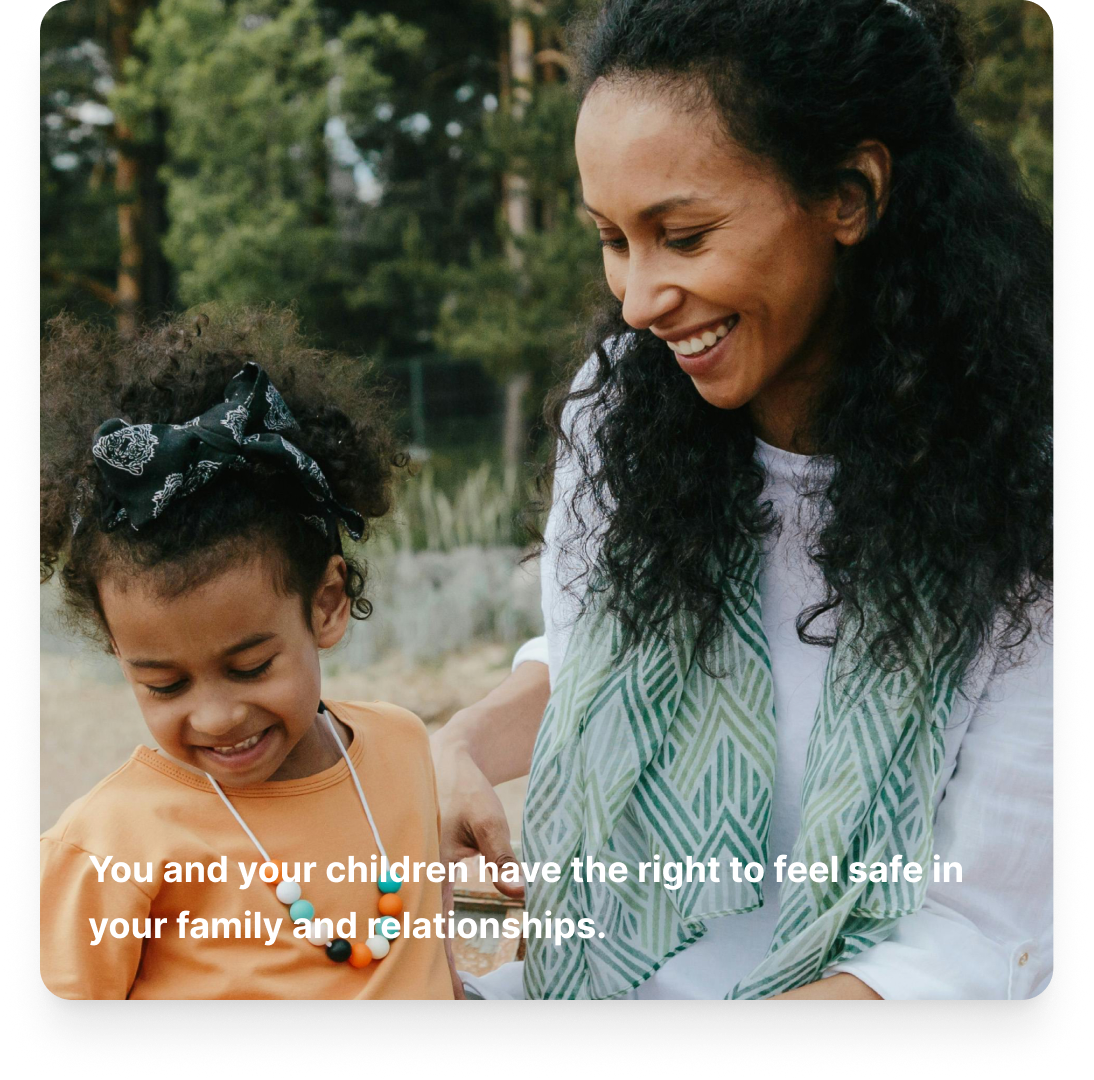
Coercive control is a less visible part of family and domestic violence that can affect anyone, regardless of their background. Coercive control is about having power over someone else. This can be through acts to punish, frighten, dominate or isolate someone.
Coercive control may or may not include physical violence.
Coercive control can include many behaviors such as isolating someone from friends and family, monitoring movements and communications, threats and intimidation, gaslighting, controlling finances, and using children to control the other parent's actions.
Whether the family violence includes physical violence or not, it is still harmful and not ok.
Coercive control is about having power over someone else, through repeated harmful behaviours. For migrant and refugee individuals, the following situations can increase opportunities for coercive control to occur:

 Threatening to cancel visas or report you to authorities if you attempt to leave the relationship.
Refusing to assist with your visa or withholding passport or travel documents.
Threatening to cancel visas or report you to authorities if you attempt to leave the relationship.
Refusing to assist with your visa or withholding passport or travel documents.
 Preventing participation in religious or cultural practices.
Using religious texts to control you or forcing you to act in a "traditional way" because you are a woman.
Preventing participation in religious or cultural practices.
Using religious texts to control you or forcing you to act in a "traditional way" because you are a woman.
 Tracking or limiting access to bank accounts or refusing money to buy things you need.
Demanding dowry payments, or saying the marriage will end if financial demands are not met.
Tracking or limiting access to bank accounts or refusing money to buy things you need.
Demanding dowry payments, or saying the marriage will end if financial demands are not met.
 Preventing contact with your family, friends, or services in the community.
Stopping you from attending language classes or interacting with English-speaking people.
Preventing contact with your family, friends, or services in the community.
Stopping you from attending language classes or interacting with English-speaking people.
 Threatening you with legal action to stop you from getting help or using you rights.
Using your limited English and knowledge of the Australian system to lie to you about Australian laws.
Threatening to make police reports and have an intervention order placed against you.
Threatening to have your children taken away.
Threatening you with legal action to stop you from getting help or using you rights.
Using your limited English and knowledge of the Australian system to lie to you about Australian laws.
Threatening to make police reports and have an intervention order placed against you.
Threatening to have your children taken away.
Leaving an abusive situation can be difficult. You might face barriers like fear, financial issues, immigration concerns and emotional ties to the person using coercive control. It is ok to seek support and take steps towards leaving only when you feel safe and ready to do so.
Create a plan with steps you can take to protect yourself. Contact the organisations at the bottom of this page to help you do this.
Keep a record of times when there has been coercive control in your relationship, including dates, witnesses and other specific details. Hide this document in a safe place.
Find a secure place to hide valuables and important documents. Change passwords and location settings.
Understand your rights in Australia in relation to marriage, immigration and domestic violence laws. Call Legal Help on 1300 792 387 for more information.
Look for support services that are culturally appropriate and offer interpreters.
Everyone has the right to live free from fear, violence, and control. In Australia, coercive control is increasingly recognized as a serious form of family violence.
 You have the right to access your own money.
You have the right to see your family and friends.
You have the right to practice your culture and religion.
You have the right to access your own money.
You have the right to see your family and friends.
You have the right to practice your culture and religion.
You are not alone. Please contact the below services for additional support.
Victoria’s 24/7 family violence response centre for crisis support.
National sexual assault, domestic family violence counselling service.
Help for those experiencing family violence.
Support and emergency relief for temporary visa holders and people with an uncertain visa status to help meet their basic needs